
Posts tagged with 'aesthetics'
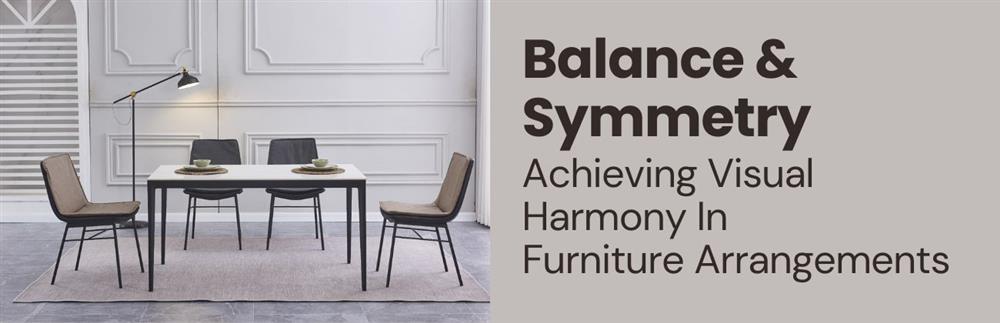
When it comes to interior design, furniture placement plays a crucial role in creating a visually pleasing and harmonious space. The arrangement of furniture not only affects the functionality of a room but also significantly impacts its overall aesthetics. Achieving balance and symmetry in furniture arrangements is key to creating a sense of visual harmony. In this article, we will delve into the importance of balance and symmetry, explore different types of balance, and provide practical tips on arranging furniture to create a visually stunning living space.
Understanding the Importance of Balance and Symmetry
Balance and symmetry are fundamental principles in design that create a sense of order, stability, and equilibrium. When applied to furniture placement, they ensure that a room feels cohesive and visually appealing. Without balance and symmetry, a space can appear cluttered, chaotic, or off-balance.
Balance refers to the distribution of visual weight in a room. Achieving balance involves arranging furniture and decor elements in a way that creates equilibrium and visual stability. Symmetry, on the other hand, involves mirroring objects or arranging them in a way that creates a sense of harmonious proportion.
Exploring Different Types of Balance
There are various types of balance that can be employed in furniture arrangements, each with its own unique aesthetic impact. Understanding these types will help you choose the most suitable balance for your desired style.
- Symmetrical Balance: Symmetrical balance is achieved by placing identical or similar objects in a mirrored arrangement. This type of balance is often associated with a formal and traditional aesthetic. For instance, a sofa flanked by two identical armchairs or a bed with matching nightstands on either side creates a symmetrical balance.
- Asymmetrical Balance: Asymmetrical balance involves arranging objects of different visual weight or size to create equilibrium. It can be achieved by distributing objects with varying heights, textures, or colors across a space. Asymmetrical balance allows for a more relaxed and informal look, adding visual interest and uniqueness to a room.
- Radial Balance: Radial balance is centered around a focal point, with objects radiating outward in a circular or spiral arrangement. This type of balance is often seen in rooms with a central point of focus, such as a dining table surrounded by chairs or a coffee table with seating arranged around it. Radial balance adds a dynamic and energetic feel to a space.
Practical Tips for Achieving Visual Harmony
Now that we have explored the importance of balance and symmetry, let's delve into some practical tips for arranging furniture to create a visually pleasing and harmonious space.
- Plan the layout: Before moving any furniture, create a rough sketch or use a digital tool to plan the layout of the room. Consider the size and shape of the space, as well as the function and flow you want to achieve.
- Start with the focal point: Identify the focal point of the room, such as a fireplace, large window, or entertainment center. Arrange furniture around this focal point to create a sense of cohesion and visual hierarchy.
- Consider traffic flow: Ensure that there is enough space for comfortable movement within the room. Leave clear pathways and avoid placing furniture in a way that obstructs the natural flow of traffic.
- Mix and match: Experiment with a combination of different balance types. For instance, you can place a large, visually heavy piece of furniture on one side of the room and balance it out with a group of smaller objects on the other side.
- Pay attention to scale and proportion: Ensure that the size of the furniture is appropriate for the space. Avoid overcrowding or leaving vast empty areas. Aim for a harmonious balance between furniture sizes to maintain a visually pleasing environment.
- Play with heights: Vary the heights of furniture and accessories to add visual interest. Mix taller pieces, such as bookshelves or floor lamps, with lower items like sofas or coffee tables. This creates a sense of vertical balance and prevents the room from feeling flat or monotonous.
- Consider color and pattern: Incorporate color and pattern in a balanced way. Choose a color palette that complements the overall style of the room and distribute it evenly throughout the space. When using patterns, ensure that they are proportionate and not overwhelming. A balanced distribution of color and pattern helps create a cohesive and visually pleasing atmosphere.
- Pay attention to negative space: Negative space, also known as empty or white space, is an essential element in creating balance. Allow for some empty areas within the room to give the eyes a place to rest. This helps prevent the space from feeling overcrowded and allows the furniture and decor elements to stand out.
- Experiment with furniture angles: Don't be afraid to angle furniture pieces slightly to add a dynamic touch to the room. Angled arrangements can create a sense of movement and energy while maintaining balance and symmetry.
- Use mirrors strategically: Mirrors not only serve a functional purpose but can also enhance the visual balance in a room. Placing a mirror opposite a window or focal point reflects light and creates a sense of spaciousness. Mirrors can also be used to visually balance asymmetrical arrangements by creating a mirrored effect.
- Edit and declutter: Regularly assess your furniture arrangement and remove any unnecessary or visually distracting items. Clutter disrupts visual harmony and can make a room feel chaotic. Streamline the space by keeping only essential pieces that contribute to the overall balance and symmetry.
Remember, achieving visual harmony in furniture arrangements is a creative process that requires experimentation and a keen eye for detail. Trust your instincts and have fun while arranging your furniture to create a space that reflects your personal style while maintaining a sense of balance and symmetry.
.jpg)
Buffets and sideboards are exquisite and multifunctional furniture pieces that have captured the attention of homeowners due to their captivating beauty and practicality. These storage units are typically characterised by their long, low-profile designs, featuring drawers, cabinets, and shelves that offer ample space for storing and displaying various items. Although traditionally associated with dining rooms for serving food and storing tableware, buffets, and sideboards have evolved to become versatile additions that complement different areas of the home.
The allure of buffets and sideboards lies in their exceptional designs, which effortlessly blend aesthetics and functionality. These furniture pieces often become the centerpiece of a room, showcasing sleek lines, intricate details, and impeccable craftsmanship. With an extensive range of styles available, including classic, contemporary, rustic, and modern designs, buffets and sideboards add a touch of elegance and sophistication to any space, creating a focal point that enhances the overall ambiance.
Buffets and sideboards offer practical storage solutions for a wide array of items, making them versatile pieces that serve multiple purposes in different areas of the home. In dining rooms, they provide convenient storage space for table linens, cutlery, and dishes while functioning as a serving area during meals and gatherings. In living rooms, they serve as stylish storage units for displaying decor, organising media equipment, and storing books or board games. Bedrooms can benefit from the additional storage for clothing, bedding, or personal items, keeping the space organized and clutter-free.
How can buffets and sideboards enhance the overall aesthetic of a space?
Buffets and sideboards have the ability to transform the aesthetic appeal of a room, elevating its style and creating a cohesive and curated look. Available in a variety of materials such as solid wood, metal, or glass, these furniture pieces can seamlessly blend with different interior design themes. From ornate and traditional designs that exude elegance to sleek and minimalist styles that convey a contemporary vibe, buffets, and sideboards add depth, texture, and visual interest to a space, making it visually captivating and inviting.
Buffets and sideboards have transcended their traditional roles and can be incorporated into various areas throughout the home. In entryways, they make for stunning consoles, offering storage for keys, mail, and other essentials while providing a surface for decorative accents. Home offices can benefit from the storage capabilities, helping to keep paperwork, supplies, and electronics organized and easily accessible. Media rooms or entertainment areas can utilize buffets and sideboards for storing and organizing audiovisual equipment, game consoles, and media collections. Their versatility allows them to adapt to different rooms and purposes, adding both functionality and style.
Buffets and sideboards combine stunning aesthetics with practical functionality, making them essential furniture pieces for any home. Their alluring designs, versatile storage capabilities, and ability to enhance the overall aesthetic of space truly unleash their potential as valuable additions to your living environment.
Check our buffets or sideboards selections!
 When it comes to choosing the right office chair, one important factor to consider is the material used for the chair's upholstery. Two popular options are mesh and faux leather. Both materials have their own unique characteristics and benefits. In this article, we'll explore the features of mesh and faux leather upholstery, and help you decide which material is the best choice for your office chair investment.
Mesh Upholstery
Breathability
Mesh upholstery is known for its excellent breathability. The porous nature of the material allows air to flow through, keeping you cool and preventing excessive sweating, especially during long hours of sitting.
Comfort and Support
Mesh fabric conforms to your body contours, providing a comfortable and supportive seating experience. It offers a balanced level of firmness and cushioning, promoting a more ergonomic sitting posture and reducing the risk of developing pressure points.
Durability
Mesh is generally a durable material that can withstand regular use. It can be quite resistant to wear and tear, making it suitable for office environments where the chair is frequently used.
Easy Maintenance
Cleaning and maintaining mesh upholstery is relatively simple. It can be easily wiped clean with a damp cloth or vacuumed to remove dust and debris.
Faux Leather Upholstery
Aesthetics
Faux leather upholstery offers a sleek and professional appearance, making it a popular choice for office settings. It can add a touch of elegance to your workspace and create a polished look.
Easy Maintenance
Faux leather is relatively easy to clean and maintain. Spills and stains can be wiped away with a damp cloth, and regular dusting keeps it looking clean and fresh.
Comfort: Faux leather provides a soft and supple seating surface. It offers a plush feel, which can be particularly comfortable during extended periods of sitting.
Should You Invest in a Mesh or Faux Leather Material for Your Office Chair?
The choice between mesh and faux leather upholstery ultimately depends on your personal preferences and specific needs. Consider the following factors to help you make an informed decision:
Climate and Temperature:
If you work in a hot and humid environment or tend to get warm easily, mesh upholstery may be a better choice due to its breathability. However, if you prefer a more luxurious and sophisticated look, faux leather can be a suitable option.
Comfort and Support: Both materials offer different levels of comfort and support. Mesh provides a cooler seating experience and conforms to your body, while faux leather offers a plush and cushioned feel. Consider which aspect is more important to you based on your comfort preferences.
Aesthetics and Style:
Think about the overall look and feel you want to achieve in your workspace. Mesh upholstery is often associated with a modern and minimalist aesthetic, while faux leather conveys a more traditional and professional appearance.
In conclusion, the decision to invest in a mesh or faux leather material for your office chair depends on factors such as climate, comfort preferences, and desired aesthetics.
Check our office chairs selections!
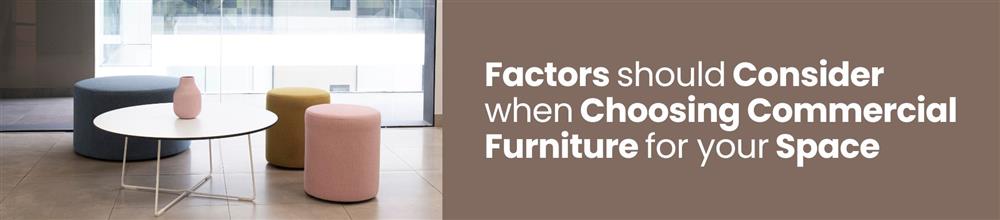
Selecting the right commercial furniture for your space is essential to create a functional, aesthetically pleasing, and comfortable environment. Whether you're furnishing an office, restaurant, hotel, or retail store, considering the following factors will help you make informed decisions that meet your specific needs. In this informative article, we will explore the key factors to consider when choosing commercial furniture for your space.
Functionality and Purpose: First and foremost, assess the functionality and purpose of the furniture. Consider how the furniture will be used and what activities it needs to support. For example, office furniture should prioritise ergonomics and productivity, while restaurant furniture should be durable and easy to clean. Understanding the specific requirements of your space will guide you in selecting furniture that meets your functional needs.
Space Constraints and Layout: Take into account the available space and layout of your commercial area. Measure the dimensions of the space to ensure that the furniture you choose fits appropriately. Consider factors such as walkways, clearances, and the arrangement of other elements in the space. Optimise your furniture selection to maximise the use of available space and create a comfortable flow for customers or employees.
Aesthetics and Brand Identity: Commercial furniture plays a significant role in shaping the overall aesthetics and brand identity of your space. Consider the desired ambiance and atmosphere you want to create. Choose furniture styles, colours, and materials that align with your brand image and complement the overall design theme. Whether it's modern, classic, rustic, or contemporary, the furniture should enhance the visual appeal and convey your desired message to customers or clients.
Durability and Maintenance: Commercial spaces experience heavy use, so durability is crucial when selecting furniture. Look for high-quality materials known for their sturdiness and resistance to wear and tear. Consider factors such as frame construction, upholstery quality, and finishes. Additionally, assess the maintenance requirements of the furniture. Opt for materials that are easy to clean and maintain, especially in high-traffic areas or environments prone to spills or stains.
Comfort and Ergonomics: Comfort is key, especially when it comes to furniture that will be used for long periods. Prioritise ergonomics by selecting chairs, sofas, or seating options that offer proper support and encourage good posture. Consider adjustable features, such as seat height or lumbar support, to accommodate various body types and preferences. Comfortable furniture contributes to employee satisfaction and customer experience, enhancing the overall functionality of your space.
Budget and Value for Money: Establish a budget for your commercial furniture project and seek options that offer the best value for money. Compare prices, quality, and warranties from different suppliers. Consider the long-term value of the furniture in terms of durability, maintenance costs, and potential for reconfiguration or expansion. Striking a balance between quality and affordability will ensure you make a wise investment that meets your budget constraints.
Ensuring the quality of commercial furniture is essential for its durability and performance. Here are a few steps you can take to assess the quality:
Research and reputation: Look for reputable manufacturers or suppliers with a track record of producing high-quality furniture. Read customer reviews and testimonials to gauge their reputation and the experiences of other buyers.
Material selection: Pay attention to the materials used in the furniture. Choose the right material for your space. It can be solid wood or engineered wood which is suitable for commercial usage.
Construction and craftsmanship: Examine the construction and craftsmanship of the furniture. Check for sturdy joints, reinforced frames, and attention to detail. Well-built furniture is less likely to wear down quickly.
In conclusion, choosing the right commercial furniture for your space requires careful consideration of various factors. Assessing functionality, considering space constraints, aligning with brand aesthetics, prioritising durability and maintenance, ensuring comfort and ergonomics, and managing your budget are all key elements in making an informed decision. By taking these factors into account and assessing the quality of the furniture through research, reputation, material selection, and construction, you can create a functional, visually appealing, and long-lasting environment for your commercial space. Remember, investing in the right commercial furniture is a crucial step towards creating a space that meets your specific needs and leaves a positive impression on customers and employees alike.
Check our commercial grade furniture!
.webp)


.webp)
_200.webp)