
Posts tagged with 'furniture aesthetics'
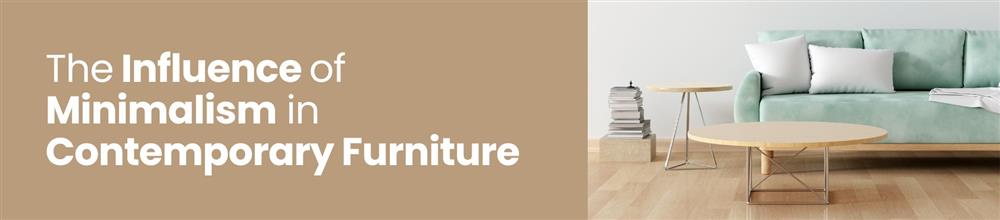
Minimalism, with its focus on simplicity, functionality, and the "less is more" ethos, has left an indelible mark on contemporary furniture design. This influential design philosophy has significantly shaped the way we perceive and interact with furniture in our modern living spaces. In this article, we will delve into the profound impact of minimalism on contemporary furniture, tracing its origins and exploring its lasting relevance in the current design landscape.
Origins of Minimalism in Furniture Design
Minimalism as an art movement emerged in the mid-20th century, championed by artists and architects such as Mies van der Rohe, Le Corbusier, and Donald Judd. It sought to strip away excess, embracing the purity of form and function. This minimalist approach naturally found its way into furniture design, giving rise to iconic pieces that continue to enjoy popularity today.
Characteristics of Minimalist Contemporary Furniture
- Clean Lines: Minimalist furniture is characterised by clean, straight lines that exude simplicity and order. These lines contribute to a visually uncluttered and streamlined appearance.
- Functional Design: Minimalist furniture prioritises functionality. Each element serves a purpose, with unnecessary embellishments eliminated. This focus on practicality renders minimalist pieces versatile and timeless.
- Neutral Colour Palette: A neutral colour palette is a hallmark of minimalist design. Whites, blacks, grays, and earthy tones dominate, creating a tranquil and serene atmosphere. Occasionally, bold accent colours may be sparingly employed to add interest.
- Quality Materials: Minimalist furniture often features quality materials like natural wood, leather, steel, and glass. These materials not only ensure durability but also project an air of sophistication.
- Negative Space: The utilisation of negative space is pivotal in minimalist design. It allows the eye to rest and appreciate the simplicity of the furniture and the overall environment. This approach also contributes to a sense of openness and spaciousness.
Enduring Influence of Minimalism
The influence of minimalism on contemporary furniture design persists in several ways:
- Timeless Aesthetics: Minimalist furniture possesses a timeless quality that transcends trends. The clean lines and neutral colours make these pieces easy to incorporate into various interior design styles.
- Small-Space Living: As urban living spaces continue to shrink, minimalist furniture has become a practical choice. Its functional design and compact proportions make it ideal for small apartments and homes.
- Sustainability: Minimalism's emphasis on quality and functionality aligns with sustainability principles. Consumers increasingly seek furniture that is built to last, reducing the need for frequent replacements.
- Maximising Utility: Minimalist furniture's emphasis on functionality has led to innovative multi-purpose pieces. Sofa beds, storage beds, and extendable dining tables are examples of how minimalist design maximises utility.
- Minimalist Technology Integration: The rise of smart homes has seen the seamless integration of technology into minimalist furniture. Charging ports, built-in speakers, and other tech features blend effortlessly with minimalist aesthetics.
Minimalism has left an indelible imprint on contemporary furniture design, shaping its aesthetics, functionality, and sustainability. Today's designers continue to draw inspiration from the minimalist ethos, creating furniture that combines simplicity, versatility, and enduring appeal. Whether you reside in a compact living space, seek sustainable choices, or appreciate the beauty of clean lines and functionality, minimalism in contemporary furniture offers a compelling solution for modern living. Its influence remains as relevant and compelling as ever in the ever-evolving world of interior design.
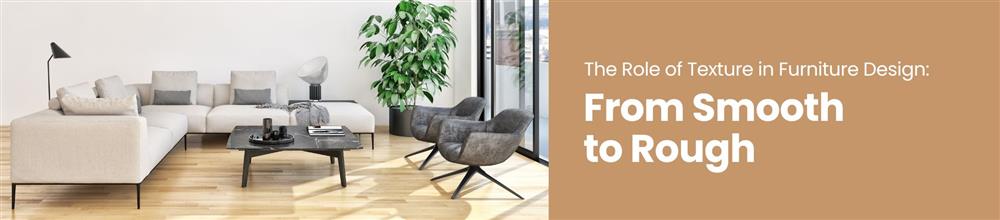
Texture is a fundamental element of furniture design that often takes a back seat to considerations of colour, shape, and style. However, it's worth emphasising that texture plays a pivotal role in the overall aesthetic and tactile experience of furniture. In this exploration of texture in furniture design, we'll journey from the smooth to the rough, uncovering how different textures can transform your living spaces.
The Allure of Smooth Surfaces
Smooth textures in furniture design convey a sense of refinement and sophistication. Pieces with glossy finishes, such as glass or polished wood, are a hallmark of modern and contemporary design. These surfaces create a sleek and seamless look that is not only visually pleasing but also easy to clean and maintain. Smooth textures can make small spaces feel more open and light, making them an excellent choice for minimalist interiors.
Embracing Softness with Upholstery
When it comes to seating and bedding, upholstery fabrics introduce a world of tactile textures. Soft and plush textures, like velvet and chenille, add an element of luxury and comfort to your furniture. These textures invite you to touch and sink into the furniture, creating a cosy and inviting atmosphere in your home. They are often chosen for sofas, armchairs, and headboards to enhance the tactile experience.
The Warmth of Wood
Wooden furniture offers a diverse range of textures, from the smooth grain of finely sanded wood to the more rugged and tactile feel of distressed or reclaimed wood. Smooth, polished wood exudes elegance and sophistication, while rougher wood textures can infuse a sense of warmth and character into your space. The choice of wood texture can significantly impact the overall style of your furniture, from sleek and modern to rustic and cosy.
Rustic Charm with Distressed Finishes
Distressed textures have gained popularity in recent years for their ability to add a touch of vintage charm to contemporary spaces. Whether it's a weathered paint finish on a cabinet or the distressed look of reclaimed wood on a dining table, these textures tell a story of time and history. They create a sense of nostalgia and authenticity in your interior design, making your furniture pieces feel like cherished heirlooms.
Metallic Textures for a Contemporary Edge
Metallic finishes, such as brushed stainless steel or hammered copper, introduce a unique textural element to furniture design. These textures are often associated with modern and industrial styles, adding a touch of urban chic to your home. They can be used for table legs, lighting fixtures, or accents on furniture pieces, providing a cool and edgy vibe.
Combining Textures for Depth
The most captivating furniture designs often incorporate a combination of textures to create depth and visual interest. For example, a smooth glass tabletop paired with leather-upholstered chairs and a distressed wood base can create a harmonious blend of textures that appeals to both the eye and the senses.
Texture in furniture design is more than just a visual element; it's a sensory experience. From the smooth, glossy surfaces of modern design to the rugged, weathered textures of rustic charm, the choice of texture can significantly impact the look and feel of your living spaces. When selecting furniture for your home, consider how different textures can work together to create a harmonious and inviting environment that reflects your personal style and preferences. Whether you lean towards sleek and modern or embrace the warmth of rough textures, your furniture choices can tell a unique story of your design sensibilities.


.webp)
_200.webp)