
Posts tagged with 'furniture placement'
When it comes to making your home a cosy and inviting space, the way you arrange your furniture can make all the difference. Whether you’re moving into a new home or refreshing a current space, thoughtful furniture placement not only enhances comfort but also maximises functionality. Here’s how you can arrange your furniture for the best possible comfort while making the most of your living space.
- Understand the Flow of the Room
Start by understanding the natural flow of your room. Pay attention to the main entry points, windows, and pathways. The goal is to arrange your furniture in a way that promotes easy movement and conversation without obstructing walkways.
- Pro Tip: Leave at least 60-90 cm between furniture pieces to ensure a comfortable flow of movement.
- Create zones: In open-plan spaces, divide the area into zones (e.g., living area, reading nook, dining space) to ensure comfort and purpose in each section.
- Prioritize Functionality
Think about how the room is going to be used. Are you arranging a living room primarily for family movie nights, or do you want it to be more suitable for hosting guests? Consider the function of each piece of furniture and how it fits into the overall design of the room.
- Living Room: If the TV is a focal point, make sure your seating is arranged to face it comfortably. For conversation-focused spaces, opt for a U-shaped or circular seating arrangement.
- Bedroom: Place the bed as the central piece of furniture. Position it against a solid wall to create a sense of balance and comfort.
- Consider Visual Balance
Achieving visual balance in a room enhances both aesthetics and comfort. Balance involves distributing the weight of furniture and décor evenly throughout the space, so one side doesn’t feel too “heavy” compared to the other.
- Even Distribution: If you have a large, heavy sofa on one side of the room, balance it out by placing other substantial pieces, like a bookshelf or an accent chair, on the opposite side.
- Height Variation: Mix furniture of varying heights to create depth. A low coffee table paired with a tall floor lamp or a high-backed chair next to a lower sofa creates a balanced look.
By keeping balance in mind, you’ll avoid awkwardly empty spaces or overcrowded areas, ensuring a visually harmonious and comfortable environment.
- Balance Style and Comfort
When it comes to comfort, it’s essential to find the right balance between aesthetics and functionality. It’s tempting to opt for trendy furniture, but remember that comfort should be a top priority.
- Choose comfortable seating: Invest in furniture that offers ample support, especially for frequently used areas like the living room or home office.
- Layer with accessories: Incorporate cushions, throws, and area rugs to add layers of coziness to your furniture arrangement without sacrificing style.
- Mind the Scale of Your Furniture
Scale and proportion play a crucial role in creating a comfortable space. Oversized furniture in a small room can make it feel cramped, while tiny pieces in a large space may leave it feeling sparse and uninviting.
- Small Spaces: Opt for multi-functional furniture like a sofa bed or nesting tables that maximise space without cluttering the room.
- Large Rooms: Use larger furniture like sectional sofas or oversized armchairs to fill the space and make it feel more inviting.
- Symmetry vs. Asymmetry
Symmetry in furniture arrangement often creates a more formal, balanced feel, while asymmetry can add a dynamic and casual vibe to the space. Play around with different arrangements to see what feels most comfortable for your needs.
- Symmetry: Placing identical chairs on either side of a coffee table can create a balanced look in your living room.
- Asymmetry: You can add a touch of creativity by mixing different furniture styles or playing with varied heights and angles for a more eclectic, cosy vibe.
- Lighting and Ambiance
Proper lighting plays a big role in comfort. Use a combination of ambient, task, and accent lighting to create a well-lit and cosy atmosphere.
- Ambient Lighting: This is your main light source, often from ceiling fixtures or recessed lighting.
- Task Lighting: For reading or working, consider lamps or adjustable light fixtures that provide focused illumination.
- Accent Lighting: Use floor lamps, candles, or dimmable lights to create a warm, inviting ambiance.
- Leave Breathing Room
Avoid overcrowding your space with too much furniture. Less is often more when it comes to comfort. Having space between furniture pieces creates a sense of openness and can make your home feel more relaxed.
- Pro Tip: Give larger pieces of furniture (like sofas and dressers) about 30 cm of space from the walls to avoid a cramped feel.
- Test and Adjust
Once your furniture is in place, live in the space for a while to see how it feels. Don’t be afraid to rearrange until you find the perfect balance of comfort and practicality.
- Try shifting furniture angles slightly to create a cozier and more inviting look.
- Rearrange smaller accessories like side tables, plants, or ottomans to add to the overall comfort and flow of the room.
Final Thoughts
Arranging furniture for maximum comfort is about finding the right balance between functionality, style, and the natural flow of your home. It’s not just about how things look, but how they feel and work for your daily life. By considering space, balance, lighting, and function, you can create a comfortable, inviting atmosphere where you’ll love spending time.
.jpg)
We all want our homes to be stylish and comfortable reflections of our personalities. But sometimes, even the most well-intentioned decorating efforts can go awry. When it comes to furniture, there are a few common mistakes that can leave your space feeling disjointed, cramped, or simply unappealing. Don't worry, though! By avoiding these furniture faux pas, you can create a home that's both beautiful and functional.
Scaling Issues:
One of the biggest furniture mistakes is choosing pieces that are the wrong size for the room. A massive sectional sofa might overwhelm a cozy living room, while a tiny loveseat can get lost in a grand space. Before you buy, measure your room carefully and consider the scale of existing furniture.
Furniture Farce Apart:
Pushing all your furniture against the walls creates a cold and uninviting atmosphere. Instead, try arranging furniture in conversation areas, with seating facing each other to encourage interaction. This creates a more social and inviting space.
Traffic Flow Fiasco:
Furniture shouldn't create an obstacle course! Leave enough space for comfortable walkways between furniture pieces. Consider the flow of traffic in your home and avoid blocking doorways or making pathways too narrow.
Focal Point Frenzy:
Having too many focal points in a room can be visually overwhelming. Ideally, each space should have a central focus, like a fireplace, TV, or stunning piece of artwork. Arrange your furniture to draw attention to this focal point, not compete with it.
Light-Blocking Blunder:
Don't block natural light with your furniture! Position furniture away from windows to allow sunlight to flow freely throughout the room. This will make your space feel brighter and more inviting.
Matchy-Matchy Mishap:
While a cohesive look is desirable, a room full of perfectly matching furniture can feel sterile and uninspired. Don't be afraid to mix and match styles, textures, and colors. This creates a more personal and interesting space.
Overstuffed Overload:
Cramming too much furniture into a room creates a cramped and cluttered feeling. Edit ruthlessly! Choose key pieces that serve a purpose and leave enough breathing room for a comfortable and visually balanced space.
Comfort Catastrophe:
Your furniture should be comfortable as well as stylish. When trying out furniture, sit down, relax, and see if it feels good. Don't sacrifice comfort for aesthetics – you'll regret it in the long run!
By avoiding these furniture faux pas, you can create a home that's not only beautiful but also comfortable and functional. Remember, your furniture should reflect your personality and create a space you love to live in!
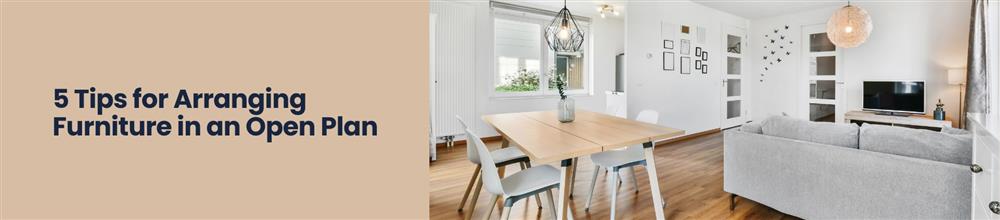
Are you struggling to arrange furniture in your open plan home? While open plan layouts offer a spacious and flexible design, figuring out how to arrange furniture in such a large space can be challenging. Whether you're dealing with a loft-style apartment or a modern home design, here are five tips to help you make the most of your open plan:
Define Zones
The key to successfully arranging furniture in an open plan is to define distinct zones within the space. Think about how you want to use each area and create separate zones for activities such as lounging, dining, and working. You can use area rugs, lighting, and furniture arrangement to delineate these zones and create a sense of purpose for each area.
Use Furniture to Create Flow
When arranging furniture in an open plan, it's important to consider the flow of traffic through the space. Arrange furniture in a way that allows for easy movement between different areas of the room. Avoid blocking pathways with large pieces of furniture, and leave enough space between furniture groupings to allow for comfortable movement.
Consider Scale and Proportion
In a large, open space, it's important to choose furniture that is appropriately scaled to the size of the room. Avoid overcrowding the space with oversized furniture, as this can make the room feel smaller and more cluttered. Instead, opt for furniture that is proportionate to the scale of the room and allows for easy circulation.
Create Visual Cohesion
To create visual cohesion in an open plan, choose furniture and decor that complement each other in terms of style, colour, and material. Using a cohesive colour palette throughout the space can help tie everything together and create a unified look. Consider using area rugs, throw pillows, and artwork to add pops of colour and texture that tie the different areas of the room together.
Don't Forget About Functionality
While it's important to create a visually appealing space, it's equally important to consider the functionality of the room. Think about how you and your family will use the space on a daily basis, and choose furniture that meets your needs. For example, if you like to entertain, make sure you have plenty of seating options for guests. If you have children, choose durable, easy-to-clean fabrics that can stand up to everyday wear and tear.
Arranging furniture in an open plan can be challenging, but with the right approach, you can create a stylish and functional space that works for your lifestyle. By defining zones, creating flow, considering scale and proportion, creating visual cohesion, and prioritising functionality, you can make the most of your open plan and create a space that feels inviting and comfortable for you and your family.


.webp)
_200.webp)