
Posts tagged with 'glass'
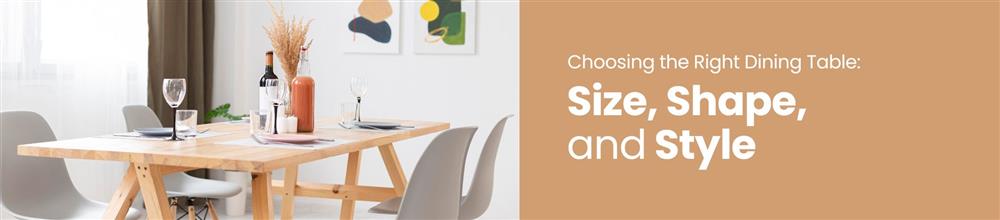
The dining table serves as the focal point of any dining room, where family and friends come together to share meals, stories, and special moments. Selecting the correct dining table is of utmost importance, not only to create a practical dining space but also to enhance the overall aesthetics of your home. In this article, we'll guide you through the crucial considerations - size, shape, and style - to help you select the perfect dining table that suits your requirements and complements your interior design.
Size Matters: Dining Table Dimensions
Determining the correct size for your dining table is the primary and most critical step. Take into account the following factors:
- Room Dimensions: Measure your dining room to ensure there's enough space for the table and chairs. Leave at least 36 inches (91 cm) between the table's edge and the wall or other furniture to allow comfortable movement.
- Seating Capacity: Decide how many people you want to accommodate regularly. A typical rule of thumb is that each person needs about 24 inches (61 cm) of width at the table. For rectangular tables, add an extra 12 inches (30 cm) at each end for those seated at the head and foot.
- Table Shape: The shape of the table can affect how many people it can comfortably seat. Rectangular tables are versatile and can accommodate many guests, while round tables are great for more intimate gatherings. Oval tables offer a compromise between the two.
Shape and Style: Dining Table Design
Once you've determined the right size, consider the shape and style that best suits your taste and complements your dining room:
- Rectangular Tables: These are the most common and versatile choice. They work well in both formal and casual settings and are ideal for accommodating larger groups.
- Round Tables: Round tables encourage conversation and are perfect for creating an intimate atmosphere. They work well in smaller spaces and add a touch of elegance to any room.
- Oval Tables: Oval tables combine the benefits of rectangular and round tables. They offer more flexibility in seating than round tables while maintaining a sense of intimacy.
- Style: Choose a dining table style that aligns with your overall interior decor. Whether you prefer classic, rustic, modern, or eclectic design, there's a dining table style to suit your aesthetic preferences.
Material Matters: Dining Table Construction
Consider the material of the dining table, as it can greatly influence both its appearance and durability:
- Wood: Wooden tables are timeless and versatile, ranging from rustic to contemporary designs. Hardwoods like oak and walnut are durable and beautiful.
- Glass: Glass tabletops create a modern and airy look, making small spaces appear larger. Be mindful of maintenance, as glass can show fingerprints and require regular cleaning.
- Metal: Metal tables are sleek and contemporary. They are often used for outdoor dining but can also work well in industrial or modern interior designs.
- Marble and Stone: These materials lend a sense of luxury and sophistication to your dining room. However, they may require more care to prevent staining or damage.
Practical Considerations: Dining Table Features
Lastly, think about the practical features that enhance your dining experience:
- Extensions: Extendable dining tables are perfect for accommodating extra guests on special occasions while maintaining a space-saving design for everyday use.
- Storage: Some dining tables come with built-in storage options like drawers or shelves, ideal for keeping dining essentials close at hand.
Selecting the right dining table involves a thoughtful evaluation of size, shape, style, and material to suit your dining needs and complement your home's decor. With these considerations in mind, you'll be well-prepared to select the perfect dining table that not only serves as a functional centrepiece but also adds warmth and character to your dining room, creating a welcoming space for memorable meals and gatherings.
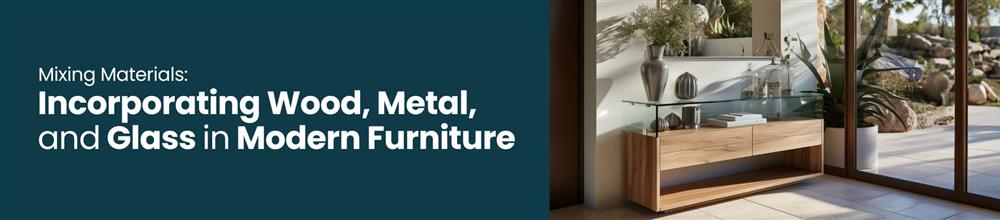
In the dynamic world of furniture design, the art of blending different materials has given rise to an exciting trend: mixing wood, metal, and glass. This fusion of elements creates furniture pieces that are not only visually captivating but also functionally versatile. In this article, we'll explore how the harmonious integration of these materials has led to the creation of modern furniture that appeals to both aesthetics and practicality.
Embracing Contrast and Balance
The juxtaposition of wood, metal, and glass within a single furniture piece introduces an intriguing play of contrasts. Each material brings its own unique qualities to the table:
- Wood: With its warmth, natural grains, and tactile appeal, wood lends a sense of organic beauty to furniture.
- Metal: Metal elements provide a touch of industrial chic, often associated with sleekness and durability.
- Glass: Glass offers transparency and lightness, allowing visual access while adding an element of sophistication.
When these materials come together, they form a balanced composition that can range from rustic to contemporary, minimalist to ornate, depending on the design intent.
Creative Combinations
Coffee Tables: A common manifestation of the wood-metal-glass trio, coffee tables can feature a wooden base, metal framework, and a glass tabletop. This design not only creates an open and airy aesthetic but also offers an ideal canvas for showcasing decorative elements beneath the glass.
Shelving Units: Blending wood, metal, and glass in shelving units combines functionality with elegance. Wood provides sturdy shelves, metal frames lend structural support, and glass elements add a touch of lightness to the design.
Desks and Workstations: For those seeking a contemporary work setup, desks featuring wooden surfaces, metal legs, and glass dividers or accents offer a sophisticated workspace that promotes both focus and creativity.
Dining Tables: Incorporating glass into dining tables can enhance the visual impact of intricate wooden or metal bases. The transparent surface allows the design of the base to take center stage, creating an eye-catching focal point.
Craftsmanship and Construction
The successful integration of wood, metal, and glass relies on expert craftsmanship. Each material requires specific attention to detail during construction:
- Wood: The selection of wood type, grain direction, and finishing techniques all contribute to the overall appearance and durability of the piece.
- Metal: Precise welding, finishing, and protective coatings ensure the metal components maintain their aesthetic appeal and structural integrity.
- Glass: Cutting, edging, and tempering techniques are critical to creating glass elements that are safe, functional, and visually pleasing.
The Functional Advantage
Beyond aesthetics, the combination of these materials offers functional advantages:
- Durability: Metal provides stability, wood adds durability, and tempered glass offers resistance to scratches and breakage.
- Versatility: The mix of materials allows for creative shapes and designs that cater to various tastes and interior styles.
- Light Play: Glass reflects and refracts light, enhancing the overall ambiance of a space, while metal and wood contribute to the play of textures.
The art of mixing wood, metal, and glass in modern furniture design showcases the endless possibilities that arise from the fusion of contrasting elements. As designers continue to push the boundaries of creativity, this trend offers furniture enthusiasts a chance to curate interiors that are not only visually striking but also tell stories of balance, contrast, and innovation. Whether it's a coffee table, shelving unit, desk, or dining table, the harmonious interplay of these materials promises to elevate the aesthetics and functionality of any living space.
Check our wide range of selections to mix-match and find your own style!
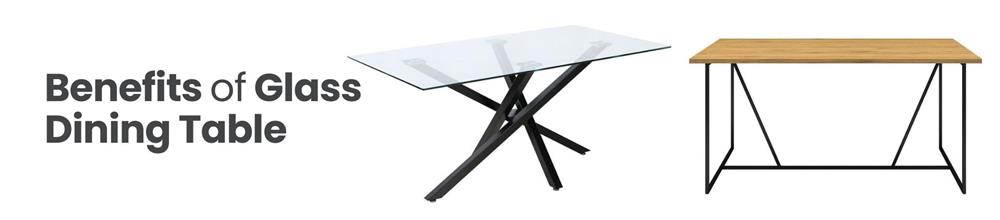
When it comes to decorating and furnishing your home, choosing the right dining table is essential. Dining tables come in a variety of materials, including glass, MDF, and particle board. Each material has its own unique benefits, so it’s important to consider the pros and cons of each before choosing the right one for you.
Glass dining tables are an increasingly popular choice for many homeowners today because of the remarkable advantages they offer. Not only is the material of glass incredibly strong and resilient, but it is also extremely easy to keep clean. Glass dining tables have a great track record of lasting for many years, which makes them a smart investment in the long run. Furthermore, due to the transparent nature of glass, allows light to pass through it, giving the dining room an inviting and open atmosphere. And when it comes to entertaining, glass dining tables can be dressed up with various decorations such as colorful tablecloths and placemats to give it a more sophisticated look. All in all, it's no surprise why more and more people are choosing glass dining tables for their homes.
MDF and particle board materials are less expensive than glass, but they also come with their own unique benefits. These materials are often lighter than glass, making them easier to move around if necessary, and are known for being more affordable than glass. They are also less prone to breaking or cracking than glass and are available in a variety of colors, styles, and textures. However, these materials are not as durable as glass and may need to be replaced sooner, making them less of a long-term investment. Furthermore, may not be able to support heavier items. For those looking for a durable surface, glass is the better option, but for those looking for a more affordable, lighter alternative, MDF and particle board materials may be the best option.
In conclusion, glass dining tables are an excellent option for anyone looking for a timeless, elegant, and durable piece of furniture that can be used in any home. With their beautiful and unique design, they can instantly elevate the look of any dining room. In addition, they are much more affordable than marble or stone, making them an ideal choice for anyone who is on a budget. On the other hand, MDF and particle board materials offer a more affordable and lightweight option, although they may need to be replaced sooner than glass. Ultimately, the material you choose should depend on your individual requirements, budget, and personal preferences. All in all, it is important to take into account the pros and cons of each material in order to make the right decision for your home.
Explore our dining table options.


.webp)
_200.webp)