
Blog: ifurniture Talk
-Copy-1.jpg)
Moving day can be a stressful experience, especially when it comes to wrangling your furniture. Those treasured pieces you've collected over the years can suddenly seem like cumbersome obstacles. But fear not! With a little planning and these handy tips, you can ensure your furniture arrives at your new home safe and sound.
Planning is Key
- Measure Up: Before moving day, measure doorways, hallways, and tight corners in both your old and new place. This will help you determine if your furniture needs to be disassembled or can navigate the space intact.
- Inventory & Declutter: Take stock of your furniture and honestly assess what needs to make the move. Consider selling or donating pieces that are damaged, outdated, or won't fit your new space. A lighter load means less stress and less risk of damage.
- Gather Supplies: Stock up on essential packing materials like moving blankets, furniture pads, packing tape, stretch wrap, and sturdy boxes.
Preparing Your Furniture
- Disassemble When Possible: Take apart any furniture that can be easily disassembled, such as beds, bookshelves, and tables. This will make them easier to maneuver and less likely to get damaged during transport.
- Protect Your Belongings: Wrap furniture legs, corners, and delicate areas with moving blankets or furniture pads. Secure them with packing tape to prevent them from shifting during transport.
- Drawer Duty: Empty drawers and secure them with tape or bungee cords to prevent them from opening and spilling contents.
- Label Everything: Clearly label each piece of furniture with its destination room in your new home. This will save you time and frustration when unloading the truck.
Moving Day Maneuvers
- Lift with Care: Recruit strong helpers and always lift furniture with your knees, not your back. Utilize furniture dollies or hand trucks for heavier pieces to avoid strain and injury.
- Secure the Load: Once everything is loaded onto the moving truck, secure furniture with straps or tie-down cords to prevent it from shifting during transport.
Bonus Tips:
- Parking Perks: If possible, park the moving truck close to both your old and new entrances to minimize the distance you need to carry furniture.
- Clear the Path: Remove any obstacles from doorways and hallways to create a clear path for transporting furniture.
- Think Outside the Box: For awkwardly shaped furniture pieces, consider creative solutions like using blankets to create a "slide" down stairs or doorways.
By following these tips and planning ahead, you can ensure your furniture makes it to your new home safely and in one piece. Now, the only thing left to do is relax and enjoy your new space!
.jpg)
Furniture isn't just about utility, it sets the stage for how we live and interact in our homes. A well-arranged room fosters conversation, creates a sense of flow, and maximises space. But where do you even begin? Fear not, fellow furniture enthusiasts! This guide will equip you with essential layout ideas for every room in your house.
Living Room: The Hub of the Home
- Conversation Central: Arrange seating areas around a coffee table or fireplace, encouraging face-to-face interaction. Chairs and sofas can be angled slightly towards each other for a more intimate feel.
- Defining Zones: In large living rooms, use furniture to create separate areas. A rug can anchor a seating group, while a bookcase can act as a divider between living and dining areas.
- Entertainment Time: Place the TV and entertainment unit at a comfortable viewing distance, with seating arranged accordingly. Avoid blocking walkways or creating awkward back-to-back layouts.
Dining Room: Meals & Memories
- The Perfect Fit: Ensure your dining table and chairs comfortably fit within the space. Allow enough room to pull out chairs without bumping into walls.
- Shaped for Success: Round or oval tables work well for smaller spaces, promoting conversation flow. Rectangular tables provide ample surface area for larger gatherings.
- Sideboard Savvy: Utilise a sideboard or dresser for additional storage and display. Position it strategically for easy access to crockery and servingware.
Bedroom: Your Personal Sanctuary
- Bedtime Bliss: Position your bed as the focal point, ideally centred on a wall. Leave ample space on either side for bedside tables and easy access.
- Balance & Symmetry: Arrange bedside tables on either side of the bed for visual balance. Consider matching tables for a cohesive look.
- Dress for Success: Place a chest of drawers opposite the bed or along a wall for easy access. Utilise the wall space above the dresser for a mirror or artwork.
Bonus Room Ideas:
- Home Office Powerhouse: Create a dedicated workspace with a desk facing a window for natural light. Position shelves or cabinets within easy reach for essential office supplies.
- Kitchen Efficiency: In a galley kitchen, arrange appliances on opposite walls to create a designated workspace. Utilise a kitchen island or peninsula for additional prep space and seating.
Remember: These are just starting points! Experiment with different layouts to find what works best for your space and lifestyle. Embrace the power of arrangement and transform your home into a haven of functionality and comfort.
-Copy-1.jpg)
Ah, the living room. It's the beating heart of the home, a place for unwinding, entertaining, and creating memories. But in the hustle and bustle of daily life, it can sometimes feel more like a cluttered dumping ground and less like a haven.
Fear not! With a few simple tweaks, you can transform your living room into a haven of comfort and style, a space that beckons you to put your feet up and recharge. Here are some key elements to consider when creating your own living room oasis:
Setting the Scene: Furniture & Layout
- Comfort is King (or Queen): Invest in comfy seating that invites relaxation. A plush sofa, generously sized armchairs, and plenty of cushions are essential. Consider the size and layout of your room – a corner sofa might be perfect for a large family room, while a loveseat and accent chairs could be ideal for a smaller space.
- Furniture Flow: Arrange your furniture in a way that encourages conversation and connection. Create a conversational area around a fireplace, coffee table, or rug. Leave ample space for people to move around comfortably without feeling cramped.
- Multi-tasking Marvels: In smaller spaces, consider furniture pieces that serve multiple purposes. Ottomans with storage compartments, coffee tables with lift-top surfaces, and sofa beds can maximise functionality without sacrificing style.
The Power of Colour & Light
- Soothing Palette: Opt for calming and inviting colours. Soft neutrals like beige, cream, and pale grey create a sense of peace and tranquillity. Earthy tones like green and brown evoke a feeling of nature and serenity. Bold pops of colour can be added through throw pillows or artwork to personalise the space.
- Embrace Natural Light: Maximise natural light by keeping windows clear and uncluttered. Opt for sheer curtains that allow light to filter through while maintaining privacy.
- Layered Lighting: Create a warm and inviting atmosphere with layered lighting. Combine overhead lighting with floor lamps, table lamps, and wall sconces to create different moods throughout the day.
Texture & Touches of Personality
- Textile Symphony: Introduce a variety of textures to add depth and interest to your space. Layer soft throws and blankets on your sofa, add a luxurious rug to define the area, and incorporate textured cushions and pillows.
- A Touch of Green: Bring the outdoors in with houseplants. Lush greenery not only adds a touch of life but also purifies the air. Choose low-maintenance plants or consider placing them on high shelves if you have pets.
- Personal Touches: Don't forget to personalise your space with items that reflect your taste and personality. Artwork, photographs, and decorative objects can add a touch of soul and make your living room feel truly your own.
The Finishing Touches
- Scent of Serenity: Set the mood with calming scents. Diffusers with essential oils like lavender or chamomile can promote relaxation.
- Serene Sounds: A gentle water feature or a playlist of calming music can further enhance the tranquillity of your space.
- Declutter & Maintain: Regularly declutter your living room to avoid visual clutter that can create a sense of stress. Keep surfaces clear and maintain a clean and organised environment.
By incorporating these tips, you can transform your living room into a personal oasis, a haven for relaxation, rejuvenation, and connection. So, curl up with a good book, gather loved ones for a film night, or simply enjoy a quiet moment of peace – your living room oasis awaits!
.jpg)
The allure of minimalism goes beyond just aesthetics. It's a philosophy that promotes a sense of calm and peace by reducing clutter and focusing on what truly matters. But how do you translate this philosophy into your furniture choices? Fear not, fellow minimalists! This guide will equip you with furniture ideas to create a clean and uncluttered haven in your home.
Embrace Multifunctional Marvels:
- Sofa Beds: This space-saving hero transforms from a comfy couch to a cozy bed, eliminating the need for separate seating and sleeping areas in a studio apartment or small living space.
- Coffee Tables with Storage: Opt for coffee tables with drawers or shelves to discreetly tuck away books, magazines, and other belongings.
- Ottomans with Storage: Ottomans offer additional seating and a hidden compartment for blankets, throws, or games, keeping your living space tidy.
Less is More:
- Sleek and Simple Lines: Choose furniture with clean lines and a minimalist design. Avoid overly ornate pieces that tend to visually clutter a space.
- Neutral Color Palette: Opt for furniture in neutral tones like white, beige, or gray. This creates a sense of calmness and allows pops of color from artwork or accessories to stand out.
- Natural Materials: Embrace the beauty of natural materials like wood, metal, or glass. These materials exude a timeless elegance that complements a minimalist aesthetic.
Think Low Profile:
- Low-Profile Sofas: Low-profile sofas create a sense of spaciousness by visually extending the floor line. This is particularly helpful in smaller living areas.
- Console Tables: Ditch bulky buffets and opt for sleek console tables instead. These streamlined pieces offer storage and display space without overwhelming the room.
- Floating Shelves: Mount shelves directly on the wall to create a visually clean and modern look.
Lighten Up:
- Clear Furniture Pieces: Consider transparent furniture pieces like acrylic chairs or glass coffee tables. These pieces allow light to flow through, making the space feel airy and open.
- Mirrors: Strategically placed mirrors can create the illusion of a larger space. Bounce light around the room with a well-positioned wall mirror.
Bonus Tip: Declutter regularly! Minimalism thrives on a clean and organized environment. Embrace the "less is more" philosophy and purge belongings you no longer use or need.
By incorporating these furniture ideas and design tips, you can transform your home into a minimalist haven. Embrace the clean lines, calming colors, and clever storage solutions to create a space that promotes tranquility and reflects your personal style. Remember, minimalism is a journey, not a destination. Enjoy the process of creating a space that feels both beautiful and serene.
-Copy-1.jpg)
In today's fast-paced world, a good night's sleep is a precious commodity. Tossing and turning all night can leave you feeling drained and unproductive. But what if your bedroom itself is hindering your ability to rest? The good news is, creating a sleep sanctuary isn't just about fluffy pillows and blackout curtains. The furniture you choose plays a vital role in setting the stage for a restful night.
The Bed: Your Foundation for Sleep
Let's start with the centerpiece: your bed & mattress. This is your haven, your escape pod from the day's stresses. Choosing the right one goes beyond just aesthetics; it's about proper support and comfort for your body.
- Size Matters: Consider how much space you need. Do you sprawl out like a starfish, or are you a snug sleeper? If you share your bed with a partner, factor in their needs as well.
- Support System: Mattress type is a personal preference. Pocket spring, memory foam, or hybrid - each offers different levels of firmness and pressure relief. Try out a few options at our showroom to see what feels best for your back and sleep style.
- Sweet Dreams are Made of This: Don't underestimate the power of a good pillow. The right pillow cradles your head and neck, promoting proper spinal alignment.
Beyond the Bed: Setting the Sleep Stage
Now that you've got the perfect bed, let's optimize the rest of your sleep sanctuary furniture:
- Nightstands: These handy bedside tables provide a surface for lamps, phones, and a calming bedtime drink. Opt for nightstands with drawers for hidden storage to keep clutter at bay.
- Dressers & Armoires: Ample storage is key to a serene sleep environment. Choose dressers or armoires with enough space to tuck away clothes, bedding, and anything else that might visually disrupt your relaxation.
- Soothing Seating: A comfortable armchair or chaise lounge in a corner can be a lovely spot for reading before bed or enjoying a morning cup of coffee. Consider materials like plush fabrics or soft leather that invite relaxation.
Remember: Your sleep sanctuary should be a reflection of you. Incorporate calming colors, soft textures, and minimal clutter. Avoid electronics in the bedroom, and if possible, position your bed away from windows to minimize distractions from light and noise.
With the right furniture choices, you can transform your bedroom into a haven for restful nights and sweet dreams. So, ditch the restless nights and create your very own sleep sanctuary!
.jpg)
We all want our homes to be stylish and comfortable reflections of our personalities. But sometimes, even the most well-intentioned decorating efforts can go awry. When it comes to furniture, there are a few common mistakes that can leave your space feeling disjointed, cramped, or simply unappealing. Don't worry, though! By avoiding these furniture faux pas, you can create a home that's both beautiful and functional.
Scaling Issues:
One of the biggest furniture mistakes is choosing pieces that are the wrong size for the room. A massive sectional sofa might overwhelm a cozy living room, while a tiny loveseat can get lost in a grand space. Before you buy, measure your room carefully and consider the scale of existing furniture.
Furniture Farce Apart:
Pushing all your furniture against the walls creates a cold and uninviting atmosphere. Instead, try arranging furniture in conversation areas, with seating facing each other to encourage interaction. This creates a more social and inviting space.
Traffic Flow Fiasco:
Furniture shouldn't create an obstacle course! Leave enough space for comfortable walkways between furniture pieces. Consider the flow of traffic in your home and avoid blocking doorways or making pathways too narrow.
Focal Point Frenzy:
Having too many focal points in a room can be visually overwhelming. Ideally, each space should have a central focus, like a fireplace, TV, or stunning piece of artwork. Arrange your furniture to draw attention to this focal point, not compete with it.
Light-Blocking Blunder:
Don't block natural light with your furniture! Position furniture away from windows to allow sunlight to flow freely throughout the room. This will make your space feel brighter and more inviting.
Matchy-Matchy Mishap:
While a cohesive look is desirable, a room full of perfectly matching furniture can feel sterile and uninspired. Don't be afraid to mix and match styles, textures, and colors. This creates a more personal and interesting space.
Overstuffed Overload:
Cramming too much furniture into a room creates a cramped and cluttered feeling. Edit ruthlessly! Choose key pieces that serve a purpose and leave enough breathing room for a comfortable and visually balanced space.
Comfort Catastrophe:
Your furniture should be comfortable as well as stylish. When trying out furniture, sit down, relax, and see if it feels good. Don't sacrifice comfort for aesthetics – you'll regret it in the long run!
By avoiding these furniture faux pas, you can create a home that's not only beautiful but also comfortable and functional. Remember, your furniture should reflect your personality and create a space you love to live in!
.jpg)
In today's modern living rooms, the TV often takes centre stage. With so many options available, choosing the right TV stand can be a daunting task. Not only does it need to accommodate your TV, but it also needs to complement your living room decor and provide storage for your media equipment. Here are some tips to help you choose the perfect TV stand for your living room.
Consider the Size of Your TV
The first thing to consider when choosing a TV stand is the size of your TV. Your TV stand should be wide enough to support the base of your TV. Measure the width of your TV and choose a stand that is at least a few inches wider to provide some breathing room on either side.
Determine the Height
The height of your TV stand is also important for comfortable viewing. The centre of your TV screen should be at eye level when you are seated on your sofa. Measure the height of your sofa and choose a stand that will position your TV at the appropriate height.
Think About Storage Needs
Consider how much storage you need for your media equipment, such as cable boxes, gaming consoles, and DVD players. If you have a lot of equipment, look for a TV stand with multiple shelves or drawers. If you prefer a minimalist look, a simple stand with open shelves may be sufficient.
Match Your Decor
Your TV stand should complement the rest of your living room decor. If you have a traditional living room, a wooden TV stand with classic lines may be the perfect choice. For a more modern look, consider a sleek, minimalist stand with clean lines and a glossy finish.
Consider Cable Management
Nobody likes a tangle of cables behind their TV. Look for a TV stand with built-in cable management features, such as cable holes and wire channels, to keep your cables organised and out of sight.
Evaluate Durability and Stability
Ensure that the TV stand you choose is durable and stable. Look for a stand with a solid construction that can support the weight of your TV and any additional equipment. A stable TV stand will prevent your TV from wobbling or tipping over, providing a safe and secure place for your entertainment setup.
Budget
Finally, consider your budget when choosing a TV stand. TV stands come in a wide range of prices, so you're sure to find one that fits your budget. However, keep in mind that a TV stand is an investment in your living room decor, so it's worth spending a little extra to get one that is high quality and will last for years to come.
With these tips in mind, you're sure to find the perfect TV stand for your living room. Whether you prefer a traditional wooden stand or a sleek, modern design, there's a TV stand out there that's just right for you.
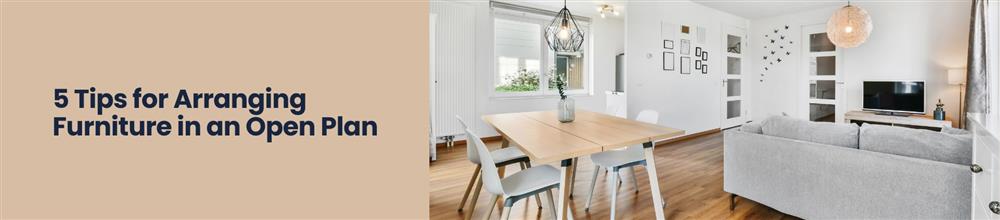
Are you struggling to arrange furniture in your open plan home? While open plan layouts offer a spacious and flexible design, figuring out how to arrange furniture in such a large space can be challenging. Whether you're dealing with a loft-style apartment or a modern home design, here are five tips to help you make the most of your open plan:
Define Zones
The key to successfully arranging furniture in an open plan is to define distinct zones within the space. Think about how you want to use each area and create separate zones for activities such as lounging, dining, and working. You can use area rugs, lighting, and furniture arrangement to delineate these zones and create a sense of purpose for each area.
Use Furniture to Create Flow
When arranging furniture in an open plan, it's important to consider the flow of traffic through the space. Arrange furniture in a way that allows for easy movement between different areas of the room. Avoid blocking pathways with large pieces of furniture, and leave enough space between furniture groupings to allow for comfortable movement.
Consider Scale and Proportion
In a large, open space, it's important to choose furniture that is appropriately scaled to the size of the room. Avoid overcrowding the space with oversized furniture, as this can make the room feel smaller and more cluttered. Instead, opt for furniture that is proportionate to the scale of the room and allows for easy circulation.
Create Visual Cohesion
To create visual cohesion in an open plan, choose furniture and decor that complement each other in terms of style, colour, and material. Using a cohesive colour palette throughout the space can help tie everything together and create a unified look. Consider using area rugs, throw pillows, and artwork to add pops of colour and texture that tie the different areas of the room together.
Don't Forget About Functionality
While it's important to create a visually appealing space, it's equally important to consider the functionality of the room. Think about how you and your family will use the space on a daily basis, and choose furniture that meets your needs. For example, if you like to entertain, make sure you have plenty of seating options for guests. If you have children, choose durable, easy-to-clean fabrics that can stand up to everyday wear and tear.
Arranging furniture in an open plan can be challenging, but with the right approach, you can create a stylish and functional space that works for your lifestyle. By defining zones, creating flow, considering scale and proportion, creating visual cohesion, and prioritising functionality, you can make the most of your open plan and create a space that feels inviting and comfortable for you and your family.
.jpg)
As the cold weather sets in, we all crave a cosy retreat from the winter chill. But what if you're living in a small space? Fear not! With the right furniture, you can create a warm and inviting atmosphere even in the cosiest of homes. In this article, we'll explore furniture ideas specifically tailored for small spaces, helping you combat the cold weather without sacrificing style or comfort.
Multi-Functional Sofa Beds
Perfect for snuggling up during chilly winter nights, a multi-functional sofa bed is a must-have for small living rooms. Not only does it provide a comfortable spot for lounging and watching movies, but it can also transform into a cosy bed for overnight guests, ensuring everyone stays warm and comfortable.
Cosy Armchair with Knit Throw
Add warmth and style to your small space with a cosy armchair paired with a soft knit throw. Not only will it provide a comfortable spot to relax, but it will also add a touch of hygge to your home, creating a warm and inviting atmosphere perfect for the cold winter months.
Compact Side Tables with Built-in Storage
Maximize space in your small living room with compact side tables that offer built-in storage. These versatile pieces provide the perfect spot to place a warm cup of tea or a good book, while also keeping clutter at bay with hidden storage compartments.
Space-Saving Folding Dining Table
Entertain guests during the winter months with a space-saving folding dining table. When not in use, simply fold it down to create more space in your small living area. When guests arrive, unfold it to create a cosy dining space perfect for sharing a meal and good conversation.
Sit-Stand Desk
Stay warm and active during the cold winter months with a sit-stand desk. This innovative piece of furniture allows you to easily switch between sitting and standing positions, keeping your body moving and helping you stay warm and comfortable while working from home.
Wall-Mounted Coat Rack
Keep winter outerwear organized and out of the way with a wall-mounted coat rack. Perfect for hanging coats, hats, and scarves, a wall-mounted coat rack ensures that your winter gear is always within reach without taking up valuable closet space.
With the right furniture solutions, you can create a warm and inviting home that's perfect for combating the cold weather, even in the smallest of spaces. From multi-functional sofa beds to cosy armchairs and innovative sit-stand desks, there are plenty of options available to help you stay cosy and comfortable all winter long.
.jpg)
The dining area is often considered the heart of the home—a place where families gather to share meals, conversations, and create lasting memories. Therefore, designing a dining space that is both efficient and stylish is essential. In this article, we'll explore how to navigate dining furniture and layouts to achieve the perfect balance of functionality and style.
Assess Your Space
Start by assessing the size and shape of your dining area. Consider the dimensions of the room and how you intend to use the space. This will help you determine the most suitable furniture and layout for your dining area.
Choose the Right Dining Table
The dining table is the focal point of any dining space, so it's essential to choose the right one. Consider the size of your family, how often you entertain guests, and the available space. Rectangular tables are ideal for larger gatherings, while round or square tables are better suited to smaller spaces.
Select Comfortable Seating
Comfortable seating is essential for enjoying long meals and conversations with family and friends. Choose dining chairs that are both stylish and comfortable, with adequate support for the back and arms. Consider upholstered chairs for added comfort and a touch of elegance.
Maximise Space with Bench Seating
If space is limited, consider incorporating bench seating into your dining area. Benches are a space-saving solution that can accommodate more people around the table while providing a cosy and intimate atmosphere.
Create a Focal Point
Make your dining area visually appealing by creating a focal point. This could be a statement light fixture above the table, a piece of artwork on the wall, or a decorative centrepiece. A focal point adds visual interest and draws the eye into the space.
Pay Attention to Proportions
Ensure that the scale of your dining furniture is proportionate to the size of the room. Avoid overcrowding the space with oversized furniture, as this can make the room feel cramped and uncomfortable. Aim for a balance between functionality and visual appeal.
Consider Traffic Flow
When planning your dining layout, consider the flow of traffic in the room. Leave adequate space around the table for guests to move freely between the dining area and other areas of the home. This will ensure that your dining space is both functional and practical.
Incorporate Storage Solutions
Make the most of your dining space by incorporating storage solutions such as sideboards, buffets, or display cabinets. These pieces not only provide valuable storage space for dinnerware, linens, and glassware but also add visual interest to the room.
Mix and Match Styles
Don't be afraid to mix and match different styles of furniture to create a unique and eclectic dining space. Pair a traditional dining table with modern chairs, or vice versa, for an unexpected and stylish look. Mixing styles add personality and character to your dining area.
Personalise Your Space
Finally, add personal touches to make your dining area feel like home. Display family photos, artwork, or heirloom pieces to infuse your space with warmth and personality. Your dining area should not only be functional and stylish but also a reflection of your unique taste and lifestyle.
By carefully navigating dining furniture and layouts with efficiency and style in mind, you can create a dining space that is both inviting and practical—the true heart of your home. Whether you're hosting a formal dinner party or enjoying a casual meal with family, your dining area will be a space where lasting memories are made.
.webp)


.webp)
_200.webp)